As the demand for minerals and rare earth elements continues to surge, deep-sea mining has become contentious, raising significant concerns about its environmental impact. This novel method of resource extraction, which targets the rich deposits of metals and minerals found on the ocean floor, is posing an unprecedented threat to deep ocean creatures and marine ecosystems, including the majestic whales.
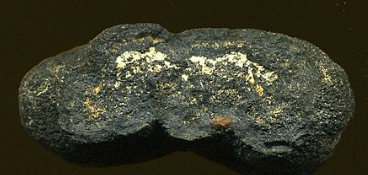
Deep-sea mining involves the retrieval of valuable materials such as cobalt, nickel, and manganese from the seabed. These materials are crucial for the production of batteries, smartphones, and other technologies. However, the process of extracting these resources is fraught with environmental challenges. The methods employed often disrupt delicate marine habitats, with potentially devastating consequences for the unique and largely unexplored biodiversity of the deep sea.
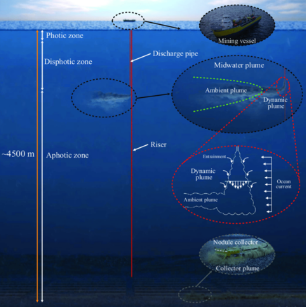
One of the primary concerns is the impact on deep ocean creatures. The deep sea is home to many species that have adapted to the extreme conditions of high pressure, low temperatures, and complete darkness. Many of these species are still unknown to science, and their ecosystems are fragile. The disturbance caused by mining operations, including sediment plumes and noise pollution, can smother habitats, disrupt feeding and breeding patterns, and cause long-term ecological damage.
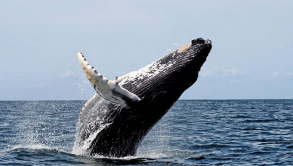
Furthermore, the implications for larger marine mammals, such as whales, are equally troubling. Whales rely on echolocation to navigate and hunt in the dark depths of the ocean. The noise generated by mining equipment can interfere with these essential activities, leading to disorientation, stress, and even stranding incidents. The disruption of the food chain due to the destruction of deep-sea habitats also poses a threat to whale populations, as their prey becomes scarcer.
Environmentalists and marine biologists are calling for a moratorium on deep-sea mining until comprehensive studies can be conducted to understand its full impact. The International Seabed Authority (ISA), which regulates mining activities in international waters, is under increasing pressure to enforce stricter environmental safeguards and to promote sustainable practices.
In conclusion, while the economic allure of deep-sea mining is undeniable, its potential to wreak havoc on marine ecosystems and threaten the survival of deep ocean creatures and whales cannot be overlooked. A balanced approach that prioritizes the health of our oceans is essential to ensure that we do not irreparably harm one of the planet’s most mysterious and vital environments. Stay tuned to WorldOpt Institute (WOI) and the ongoing quest to understand how we can help protect our oceans from deep-sea mining. Below is a graphic explaining the process of mining the bottom of the ocean floor.