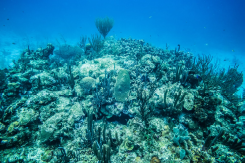
In recent weeks, ocean temperatures off the coast of Florida have reached unprecedented highs, posing a severe threat to the state’s coral reefs. On June 4, 2024, temperatures in shallow waters near Manatee Bay peaked at 101.1°F (38.3°C), potentially setting a new world record for ocean temperature. This heat wave has already caused significant damage to marine ecosystems, particularly coral reefs, which are highly sensitive to temperature changes (Science News) (Phys.org).
Consequences for coral reefs
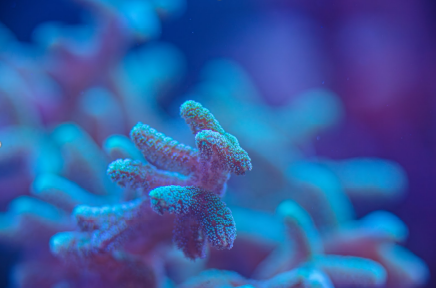
Coral reefs around the Florida Keys have already experienced devastating impacts. The Coral Restoration Foundation (CRF) reported a 100% mortality rate at Sombrero Reef, a site they have been working to restore for over a decade. Coral bleaching, which occurs when corals expel the symbiotic algae living in their tissues due to stress from high temperatures, has been widespread. Without these algae, corals lose their color and, more critically, their main source of food, leading to starvation and death if the stress persists (Science News) (Phys.org).
Recovery prospects
The possibility of recovery for these corals is uncertain. Corals can survive short periods of elevated temperatures, but prolonged exposure to extreme heat can be fatal. Scientists use a measure called “degree heating weeks” (DHW) to quantify heat stress over time. Significant coral bleaching occurs at 4 DHW, and severe, widespread bleaching happens at 8 DHW. This year, Florida’s coral reefs have already accumulated unprecedented levels of heat stress, making recovery a challenging prospect (Science News).
Long-term outlook
The record-breaking temperatures in Florida’s coastal waters are part of a broader trend of increasing ocean heat, driven primarily by climate change. As global temperatures rise, ocean heat waves are becoming more frequent and intense. This trend threatens not only coral reefs but also the broader marine ecosystem, including species that rely on corals for habitat and food. Efforts to mitigate these effects include relocating vulnerable corals to cooler waters and developing more heat-resistant coral strains through selective breeding (Phys.org).
The recent extreme ocean temperatures in Florida highlight the urgent need for action to address climate change and protect marine ecosystems. While some efforts are underway to save the coral reefs, the long-term survival of these vital ecosystems depends on global efforts to reduce greenhouse gas emissions and curb global warming.